-
- No Comments
- January 24, 2026

How to build backlinks for SEO in 2026
1. Introduction: Why Backlinks Still Matter in 2026
Backlinks have survived every SEO “death” prediction for one simple reason: they work. In 2026, links remain one of the clearest signals of authority, relevance, and trust on the web. What has changed is how those links are interpreted not just by Google, but by AI-driven search systems shaping how users discover information today.
The Role of Backlinks in Modern SEO
Backlinks function as digital endorsements. When a relevant, trusted website links to your content, it’s effectively saying, this is worth paying attention to. In modern SEO, that endorsement feeds ranking algorithms, reinforces topical authority, and accelerates indexation. Links are no longer just ranking levers they are context builders.
Authority, Relevance, and Trust Signals
Not all backlinks carry equal weight. In 2026, Google places far more emphasis on who is linking, why they are linking, and in what context. A single editorial link from a respected niche publication can outperform dozens of low-quality placements. Authority is earned through relevance. Trust is built through consistency. And backlinks are the connective tissue that binds both.
Backlinks Beyond Google: AI Search and Brand Context
Search no longer lives in one engine. AI platforms ChatGPT-style overviews, generative search summaries, and conversational assistants rely heavily on brand mentions, citations, and co-occurrences across the web. Backlinks help AI systems understand who you are, what you’re known for, and where you fit in the broader knowledge graph. Even when users don’t click, links influence visibility.
Why White-Hat Link Building Is Non-Negotiable in 2026
The margin for manipulation has collapsed. Shortcut tactics that once slipped through now trigger algorithmic distrust almost instantly. White-hat link building earned, editorial, and relevant isn’t just safer; it’s the only approach that compounds. Ethical link building aligns with E-E-A-T standards, protects long-term rankings, and future-proofs your brand against increasingly intelligent filters.
2. How Google and AI Evaluate Backlinks in 2026

Search engines and AI systems no longer ask how many links do you have?
They ask why do you deserve them?
From Raw Link Counts to Contextual Authority
Quantity has been dethroned. In its place sits contextual authority how closely a backlink aligns with your topic, audience, and expertise. A link from a niche-relevant article, surrounded by meaningful content, signals far more than a sidebar placement on a generic site. Algorithms now evaluate links as part of a narrative, not an isolated metric.
E-E-A-T and Editorial Relevance
Experience, Expertise, Authoritativeness, and Trustworthiness aren’t abstract concepts they’re measurable through links. Editorial backlinks placed naturally within expert content reinforce credibility. Author bylines, cited sources, and real-world expertise all strengthen the signal. If a link doesn’t make sense to a human reader, it likely won’t pass algorithmic scrutiny either.
Why Manipulative Link Schemes Fail Faster Than Ever
AI-powered spam detection has shortened the lifespan of black-hat tactics. Private blog networks, paid link farms, and over-optimized anchors leave detectable patterns velocity spikes, unnatural clustering, and topical mismatches. In 2026, penalties are less dramatic but more decisive: links are simply ignored, devalued, or flagged without warning.
Natural Citations Across Web, Social, and AI Platforms
The strongest backlink profiles look organic because they are. Mentions across blogs, news sites, resource pages, podcasts, social platforms, and AI citations form a diversified signal ecosystem. Google and AI models reward brands that are discussed, referenced, and linked to naturally often without direct outreach because real authority creates gravity.
3. Core Backlink Building Strategies That Still Work

Despite constant algorithm updates, a small set of backlink strategies continues to outperform everything else. The difference in 2026 is execution. These methods work not because they game the system, but because they align with how Google and AI platforms evaluate authority, usefulness, and trust.
3.1 Guest Posting on Niche-Relevant Websites
Guest posting is still one of the most reliable ways to earn backlinks when done properly. In 2026, it’s less about placement and more about contribution.
What Qualifies as a High-Quality Guest Post in 2026
A high-quality guest post lives on a site that:
- Is topically aligned with your niche
- Publishes original, editorially reviewed content
- Has real readership, not just SEO traffic
- Maintains consistent publishing standards
The content itself must add value. Thin articles written solely for link placement are easy for AI systems to detect and quietly devalue. Strong guest posts read like native content, not outsourced SEO pieces.
Contextual Placements vs Author Bio Links
Contextual links embedded naturally within the body of the content outperform author bio links in almost every scenario. A link that supports a claim, references a tool, or expands on an idea signals relevance and intent. Author bio links still have branding value, but they carry less algorithmic weight compared to in-content citations.
Examples That Earn Editorial Links
The most effective guest post formats in 2026 include:
- Tool roundups that reference your product or resource
- How-to guides that link to in-depth explanations
- Expert contributions where your insight is cited directly
When your link exists because it belongs there, it lasts.
3.2 Broken Link Building (Modern Version)
Broken link building has evolved from a mass-email tactic into a precision strategy. Done right, it remains one of the cleanest ways to inherit authority.
Finding Outdated or 404 Competitor Links
Modern broken link building starts with competitor analysis. Using backlink tools, you identify pages linking to outdated content, discontinued tools, or 404 URLs especially those once ranking well. These links already have intent and authority; they simply need a better destination.
Creating Superior Replacement Resources
Replacement content must be genuinely better. That means:
- Updated data and statistics
- Clearer structure and readability
- Better visuals or examples
- Expanded coverage of the topic
You’re not just fixing a link you’re upgrading the experience.
Outreach Positioning for Seamless Authority Transfer
The outreach is consultative, not promotional. Instead of “please link to me,” the framing becomes:
- You’ve identified a broken resource
- You’ve created a relevant, updated alternative
- You’re helping them improve their content
When positioned correctly, the link swap feels natural and mutually beneficial.
3.3 The Skyscraper Technique (2026 Edition)
The Skyscraper Technique still works but only when it’s smarter, deeper, and more user-focused than before.
Identifying Content With Strong Backlink Profiles
The process begins by finding content that already attracts links. These are pages ranking well, frequently cited, and referenced across blogs and resources. Their backlink profiles reveal exactly what publishers are willing to link to.
Improving Content With Fresh Data, Visuals, and Insights
Simply making content longer is no longer enough. In 2026, improvement means:
- Adding original insights or expert commentary
- Updating outdated sections with current data
- Including visuals, charts, or examples that didn’t exist before
- Addressing unanswered questions competitors ignored
The goal is not to copy it’s to outclass.
Pitching Linkers for Upgrades, Not Replacements
Instead of asking sites to replace their links, you offer an upgrade. The message is subtle:
- Their existing link is still useful
- Your content provides newer, deeper value
- Their readers would benefit from the update
This approach respects the original choice while presenting a clear reason to link again.
4. Quick Wins: Low-Effort, High-Impact Backlinks
Not every backlink requires months of content creation or outreach. Some of the strongest links are already halfway built you just need to claim them.
4.1 Reclaiming Unlinked Brand Mentions
Unlinked brand mentions are one of the fastest wins in modern SEO. The site already trusts you. The context already exists. All that’s missing is the link.
Monitoring Brand Mentions
Brand monitoring tools surface mentions of your company, product, or key personnel across blogs, news sites, and social platforms. These references often appear in reviews, comparisons, or citations without a clickable link.
Turning Positive References Into Backlinks
Outreach here is simple and low-friction. You thank the publisher for the mention, highlight the value of making it clickable, and provide the correct URL. Because the brand is already referenced positively, conversion rates are typically high.
Why This Works Without New Content
You’re not asking for editorial change you’re improving usability. From an SEO perspective, these links are highly contextual, relevant, and natural. From a publisher’s perspective, they’re easy to approve.
4.2 Leveraging Existing Partnerships
Your strongest backlink opportunities often come from relationships you already have.
Testimonials and Member Directories
Many SaaS tools, service providers, and platforms showcase testimonials or maintain member directories. A short testimonial can earn a high-authority, relevant backlink with minimal effort.
“Our Clients” and Partner Pages
Agencies, vendors, and collaborators frequently list clients or partners publicly. Ensuring your brand is linked rather than just mentioned turns credibility into authority.
Relationship-Based Links That Look Natural
These links work because they reflect real-world connections. They’re expected, editorially justified, and nearly impossible to replicate artificially making them especially valuable in 2026.
4.3 Journalist & Media Outreach
Media backlinks remain some of the most authoritative signals available when approached correctly.
HARO, Featured.com, and Qwoted Explained
These platforms connect journalists with expert sources. You respond to relevant queries with concise, high-quality insights, positioning yourself as a credible contributor rather than a marketer.
Positioning Yourself as an Expert Source
The goal is clarity, not promotion. Strong responses are:
- Direct and jargon-free
- Backed by experience or data
- Written for publication, not persuasion
Journalists reward usefulness with attribution.
Attribution Links vs Brand Mentions
Not every response results in a link but both links and brand mentions matter. Links strengthen SEO directly, while mentions reinforce authority signals used by AI search systems and knowledge graphs.
5. Content-Driven Backlink Tactics That Scale
The most sustainable backlinks are earned, not chased. Content-driven strategies create gravity people link because it’s the best available resource.
5.1 Creating Linkable Assets
Linkable assets are designed to be cited. They solve problems, present data, or simplify complex ideas.
Original Research and Data Studies
Unique data attracts journalists, bloggers, and analysts. Even small-scale studies can outperform generic content because they offer something new to reference.
Infographics and Visual Explainers
Visual content compresses complexity into clarity. Well-designed visuals are frequently embedded with attribution, earning passive backlinks over time.
Free Tools, Calculators, and Templates
Practical tools deliver immediate value. Calculators, generators, and templates naturally attract links from tutorials, resource pages, and AI-recommended answers.
Comprehensive Evergreen Guides
Deep, well-structured guides become reference points. When content is thorough, current, and readable, it becomes the default link target in its niche.
5.2 Building Branded Link Building Concepts
Memorable ideas earn citations. Generic tactics fade; named strategies travel.
Why Named Strategies Earn More Citations
Branded concepts are easier to reference, quote, and explain. When you name a method, you give others language and language spreads.
Case Studies as Reference Magnets
Real-world results add credibility. Case studies demonstrate application, not theory, making them ideal for citations in blogs, presentations, and AI-generated summaries.
Co-Citations in Blogs and AI Answers
Branded methods often appear alongside your name or brand in AI responses. These co-citations strengthen topical authority even when links aren’t clicked.
5.3 Resource Page Link Building
Resource pages remain quiet powerhouses in link building.
Finding “[Niche] + Resources” Opportunities
Curated resource lists exist across industries, universities, and authority sites. These pages are built specifically to link out to high-quality content.
Pitching for Curated Lists
Successful outreach focuses on usefulness. You explain how your content complements existing resources and improves the list for readers.
Why .edu and Authority Resource Pages Still Matter
These pages are selective, stable, and highly trusted. A single placement can deliver long-term authority and referral traffic without ongoing effort.
6. Tools to Find, Build, and Monitor Backlinks

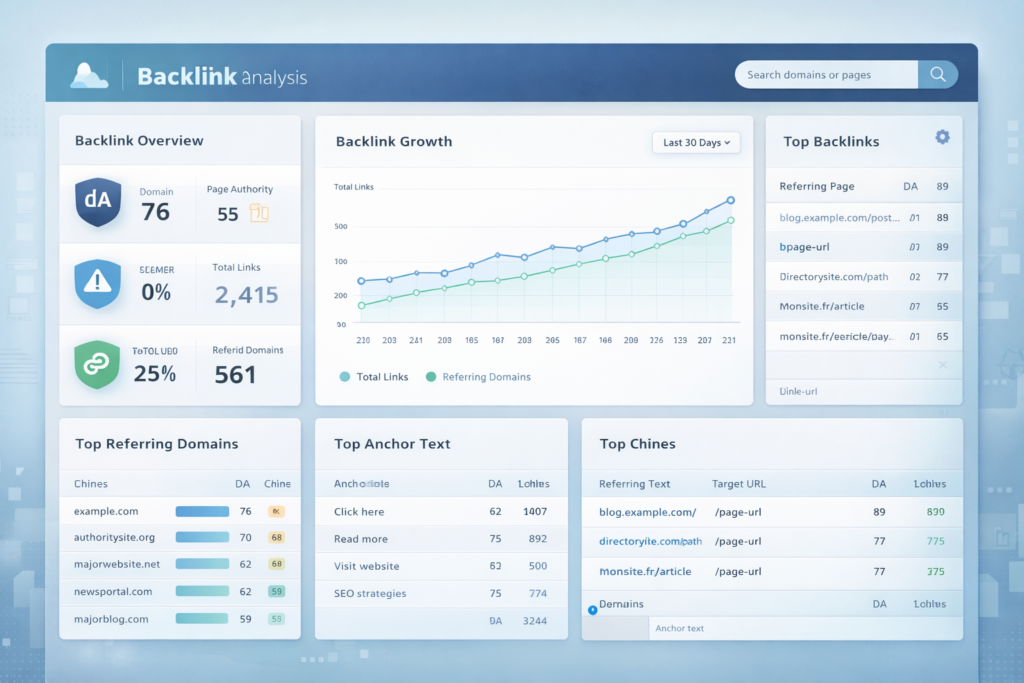
Modern link building is impossible without intelligent tooling. In 2026, tools don’t just surface opportunities they help you avoid risk, spot patterns, and maintain a clean authority profile.
6.1 Competitor Backlink Analysis
Competitors leave a public trail of what works. The smartest link strategies begin by studying where authority is already flowing.
Using Semrush Backlink Gap
Backlink Gap analysis reveals domains linking to your competitors but not to you. These sites have already demonstrated willingness to link within your niche, making them warm prospects rather than cold outreach targets. Filtering by authority score and relevance quickly surfaces high-impact opportunities.
Using Ahrefs to Reverse-Engineer Links
Ahrefs excels at exposing link sources, anchor text patterns, and historical growth. By analyzing top-performing competitor pages, you can identify which content formats attract links and which sites repeatedly cite similar resources.
Prioritizing High-Authority, Relevant Domains
In 2026, relevance amplifies authority. A moderately authoritative site deeply aligned with your topic often delivers more value than a high-DR site with no topical connection. Prioritization should always favor editorial relevance, audience overlap, and contextual fit.
6.2 Monitoring Your Backlink Profile
Building links is only half the job. Maintaining trust requires continuous monitoring.
Google Search Console for New Links
Google Search Console provides first-party insight into newly discovered links. Regular reviews help you understand which content earns links organically and whether your link velocity aligns with natural growth patterns.
Identifying Toxic or Spammy Backlinks
Spammy links often come from irrelevant domains, automated scrapers, or link networks. While Google ignores many low-quality links automatically, clusters of suspicious activity can still distort your profile if left unchecked.
When and How to Disavow Safely
Disavowing is a defensive measure, not a routine task. It should be used only when harmful patterns are clear and persistent. Target domains not individual URLs and document decisions carefully to avoid removing legitimate authority signals.
7. Backlink Best Practices for 2026
Strong backlink profiles are built on discipline, not volume.
Anchor Text Diversity
Over-optimized anchors are one of the fastest ways to trigger distrust. Natural profiles include branded terms, URLs, partial matches, and contextual phrases. Diversity signals authenticity.
Natural Link Velocity
Authority grows at a believable pace. Sudden spikes without corresponding visibility or content growth raise flags. Consistent, steady acquisition aligns with how real brands earn attention.
Topical Relevance Over Domain Volume
Hundreds of irrelevant links won’t outperform a handful of deeply relevant ones. Search engines and AI models reward topical authority being cited repeatedly within a defined subject area.
Avoiding AI Spam Filters and Footprint Patterns
AI systems excel at pattern recognition. Reused outreach templates, identical anchors, clustered placements, and predictable timing all leave footprints. Variation, editorial discretion, and genuine value are the antidote.
8. Common Link Building Mistakes to Avoid
As algorithms and AI filters grow more sophisticated, mistakes that once went unnoticed now quietly erode trust. Avoiding these pitfalls is as important as building links in the first place.
Buying Low-Quality Links
Purchased links from generic blogs, private networks, or “guaranteed DA” sellers rarely age well. Even when they don’t trigger penalties, they’re often ignored entirely. In 2026, links must be earned editorially or they simply don’t count.
Over-Optimized Anchors
Exact-match anchors used repeatedly send a clear signal of manipulation. Natural backlink profiles mirror human language branded mentions, partial phrases, and contextual references far outweigh keyword-heavy anchors.
Irrelevant Guest Posting
Guest posts on unrelated sites dilute topical authority. A link from the wrong niche doesn’t just add no value it can actively confuse relevance signals used by both Google and AI systems.
Automated Outreach at Scale
Mass outreach tools create detectable patterns: identical templates, synchronized sends, and predictable placements. In a landscape shaped by AI detection, scale without personalization is a liability, not a shortcut.
9. Key Resources & Further Reading
If you want to go deeper or validate strategies with trusted industry sources, these guides are worth bookmarking:
- Backlinko – High-Quality Backlinks Guide
https://backlinko.com/high-quality-backlinks
A foundational resource explaining what makes backlinks valuable and how Google evaluates link quality. - Semrush – Backlink Tactics
https://www.semrush.com/blog/how-to-get-backlinks/
Practical backlink strategies backed by data, tools, and competitive insights. - Quantum IT – Backlinking Strategies for 2026
https://quantumitinnovation.com/blog/seo-backlinking-strategies-2026
A forward-looking breakdown of link building in an AI-driven search environment. - Sky SEO Digital – Link Building That Works in 2026
https://skyseodigital.com/link-building-strategies-that-actually-work-in-2026/
Real-world tactics focused on sustainability, relevance, and long-term rankings. - Amrudincatic – White-Hat Link Building Methods
https://www.amrudincatic.com/12-powerful-white-hat-link-building-strategies-that-work-in-2026/
A curated list of ethical, penalty-safe link building techniques.
10. FAQs: Backlinks in 2026
Do Backlinks Still Matter for SEO in 2026?
Yes. Backlinks remain one of the strongest authority signals. What’s changed is how they’re evaluated context, relevance, and trust now matter more than sheer volume.
How Many Backlinks Does a Website Need?
There’s no universal number. The right amount depends on competition, niche, and content quality. A handful of authoritative, relevant links can outperform hundreds of weak ones.
Are Nofollow Links Still Useful?
Absolutely. Nofollow links contribute to brand visibility, referral traffic, and natural link profiles. They also support AI-based authority signals through mentions and co-citations.
How Long Do Backlinks Take to Work?
Backlinks can influence rankings within weeks, but full impact often unfolds over months. The more authoritative and relevant the link, the faster and more durable the effect.
What’s the Safest Link Building Strategy Today?
Creating valuable content, earning editorial links, and building real relationships. If a link makes sense to a human reader, it’s almost always safe for algorithms