

-
- No Comments
- November 28, 2026

Digital Marketing Strategy Framework: A Step-by-Step Plan and Template for Small Businesses
A digital marketing strategy is a written plan that answers four questions: who you want to reach, what you will tell them, which channels you will use and how you will know it is working. Without it, marketing becomes a series of random posts and boosted ads that never add up to steady growth.
This framework is built for small and medium businesses. It fits on one page, takes an afternoon to write and gives you a clear plan for the next 90 days. At the end you will find a template you can copy.
Step 1: Set one clear business goal
Start with a business result, not a marketing activity. “Post more on Instagram” is an activity. “Get 40 booked estimates a month” or “Sign three new retainer clients this quarter” is a goal. Make it specific, measurable and tied to a deadline.
Then work backwards. If you close one in four estimates, 40 booked estimates means 10 new jobs. If half of enquiries book an estimate, you need about 80 enquiries a month. Now you know what marketing has to deliver.
Step 2: Define your ideal customer
Write a short profile of the customer you want more of. Include:
- Who they are: type of person or business, location, size.
- What problem pushes them to look for help.
- What they worry about when choosing a provider.
- Where they spend time online and how they search.
- Who influences their decision.
The best source for this is your existing customers. Ask them how they found you and why they chose you.
Step 3: Sharpen your offer and message
Your message should say, in one line, what you do, who it is for and why you are the better choice. Then decide on the “entry offer” that marketing will promote: a free inspection, a consultation, an audit, a sample or a starter package. A clear entry offer makes every ad and page easier to write. Our guide on packaging your service offer goes deeper.
Step 4: Choose two or three channels
Match channels to how your customers buy. If they search, use SEO and Google Ads. If they need to discover you, use Meta or TikTok ads and video. If you serve a local area, prioritise Google Business Profile and local SEO. Our overview of the types of digital marketing helps you choose.
For each channel, write one sentence on its job. For example: “Google Ads captures urgent searches”, “Meta video ads build demand in our service area”, “SEO brings long-term traffic for research searches”.
Step 5: Plan your content
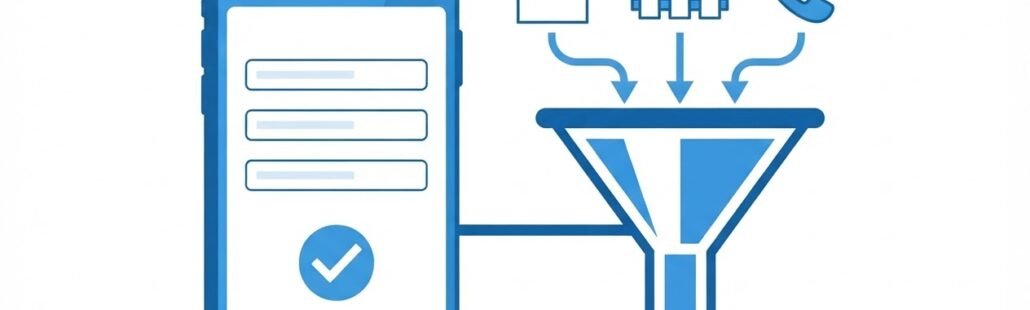
Decide what you will publish and how often. Keep it realistic. Three good short videos a week and two blog posts a month beat daily posting that stops after three weeks. Map your content to the stages of the digital marketing funnel: content that gets attention, content that builds trust and content that asks for action.
Step 6: Set a budget and timeline
List what you will spend on ads, tools, content production and outside help. Give new channels enough time and budget to produce real data before judging them. Paid ads can show results within weeks. SEO and content usually need several months. A 90-day plan with a review at the end of each month works well for most businesses.
Step 7: Track the right numbers
Pick a few key numbers and check them monthly:
- Enquiries or leads by channel.
- Cost per lead for paid channels.
- Lead-to-customer rate.
- Revenue from marketing-sourced customers.
- Website traffic and rankings for SEO.
Set up conversion tracking before launch so every enquiry can be traced to a source. Our guide to digital marketing analytics and reporting explains what to measure.
One-page digital marketing strategy template
Copy this into a document and fill it in:
- Business goal (90 days): …
- What marketing must deliver: … leads / enquiries per month.
- Ideal customer: who, problem, worries, where they spend time.
- Core message: We help … get … without …
- Entry offer: …
- Channel 1 and its job: …
- Channel 2 and its job: …
- Channel 3 and its job (optional): …
- Content plan: what, how often, who creates it.
- Budget: ads, tools, production, help.
- Key numbers to track: …
- Review dates: end of month 1, 2 and 3.
Example: a strategy on one page
An HVAC company wants 60 booked service calls a month. Its ideal customer is a homeowner within 25 miles whose system has failed or is ageing. The message is “Fast, honest heating and cooling repair, same-day appointments”. The entry offer is a discounted diagnostic visit. Channels: Google Ads for urgent “AC repair” searches, Google Business Profile and reviews for local search, and Meta video ads in spring and autumn for maintenance plans. Content: two short videos a week on common system problems. Tracking: calls and forms by source, cost per booked call, monthly revenue from new customers. See our HVAC digital marketing page for more.
Common strategy mistakes
- Goals that are not linked to revenue.
- Choosing channels because they are trendy.
- No entry offer, so ads have nothing clear to promote.
- No tracking, so decisions are based on guesses.
- Changing everything every week instead of giving tests time.
Want a strategy built with you?
Eadoz builds and runs digital marketing strategies for service businesses, combining video, ads, websites and SEO. Book a free meeting and we will map out your first 90 days, or message us on WhatsApp.