

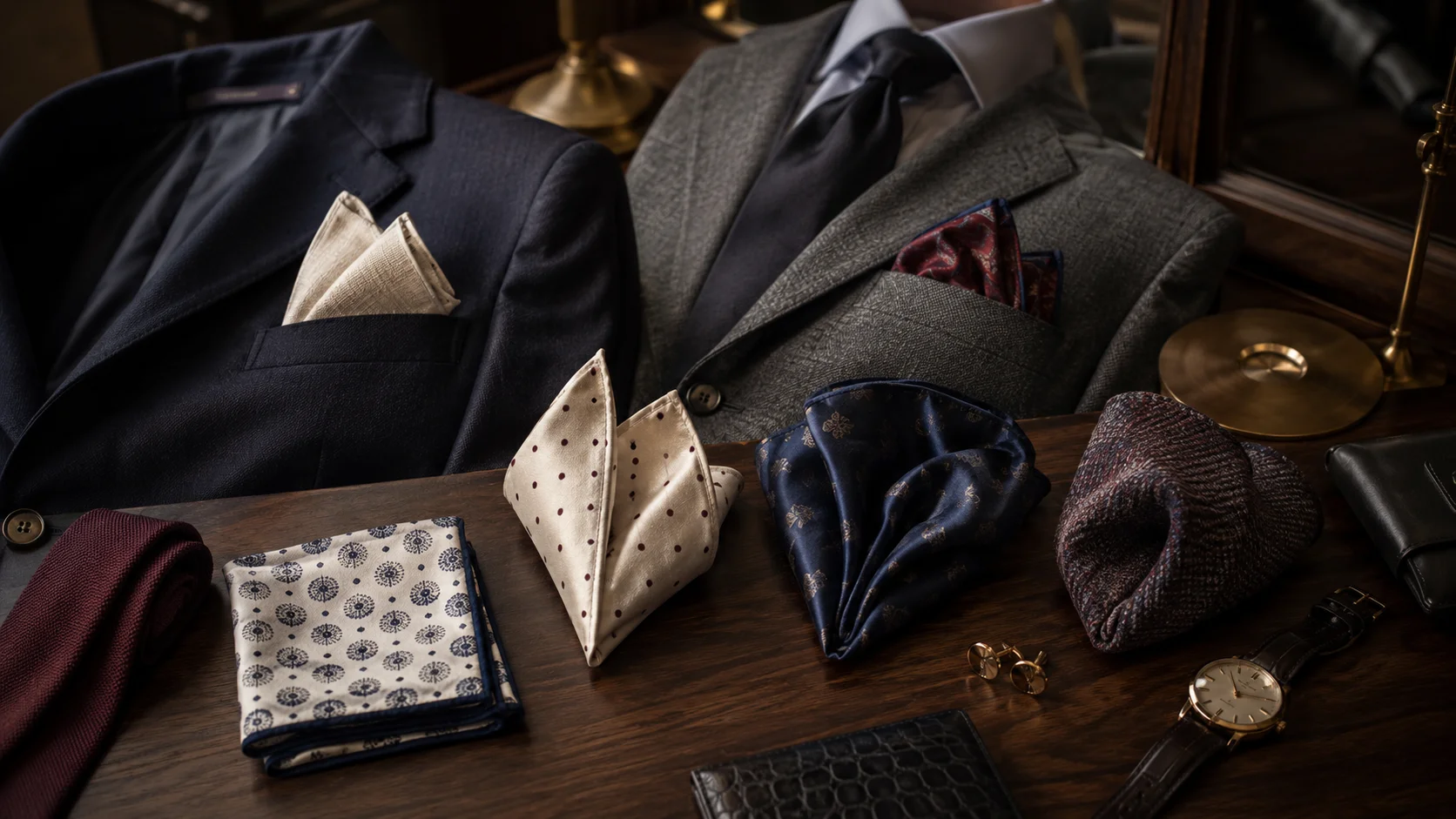
-
- No Comments
- August 8, 2026

How to Fold a Pocket Square
Introduction
A pocket square is a small detail, but it can make a big difference to the way a suit or blazer looks. A neatly folded pocket square adds color, texture, and personality to an outfit without making it feel overdone. Whether you are dressing for a wedding, an important meeting, a formal dinner, or simply want to make a blazer look more polished, the right fold can bring the whole outfit together.
Learning how to fold a pocket square is also much easier than it first appears. You do not need complicated techniques or years of practice to get a clean result. A few simple folds can give you completely different looks, from the sharp and structured square fold to the relaxed shape of a puff fold.
In this guide, you will learn how to fold a pocket square using some of the most useful and easy to master techniques. We will cover which folds work best for different occasions, how fabric affects the final shape, and how to place your pocket square so it stays neat inside your jacket. By the end, you will know how to choose and fold a pocket square with confidence.
How to Fold a Pocket Square

Before you start folding, give yourself a clean, flat surface. A table, desk, or bed will work well as long as you have enough room to spread the pocket square completely. Smooth out any major wrinkles first because creases can make the finished fold look uneven.
The basic idea is simple. You fold the fabric into a smaller shape, adjust the sides to match the width of your breast pocket, and then place it inside the pocket with the part you want to show facing upward. The exact folding method changes depending on the style you want.
Do not worry about making every fold perfectly precise. The most important thing is getting the finished pocket square to sit comfortably without looking bulky. If the fabric is sticking out too far or pushing against the pocket, take it out and reduce the width or depth of the fold.
For a classic and polished appearance, start with the square fold. It is one of the easiest pocket square folds to learn and works particularly well with formal suits, business jackets, and crisp fabrics such as linen or cotton.
The Square Fold
The square fold is the classic choice when you want a clean and understated look. It is also commonly called the presidential fold, flat fold, or TV fold. Instead of creating visible peaks or a rounded puff, it leaves a simple straight edge showing above the breast pocket.
This makes the square fold especially useful for formal occasions, business settings, weddings, and outfits where you want your pocket square to complement the jacket rather than dominate it. A white linen pocket square is a traditional choice, but the fold can also work with other colors and fabrics.
The finished shape should look neat, flat, and controlled. The key is to fold the fabric enough to fit securely inside the pocket without creating unnecessary bulk.
Step 1: Lay the Pocket Square Flat
Start by unfolding the pocket square completely and placing it on a clean, flat surface. If it has visible wrinkles, smooth them out with your hands.
For the classic square fold, position the pocket square so it looks like a square in front of you. This gives you a clear starting point and makes each following fold easier to control.
Step 2: Fold the Pocket Square in Half
Fold the pocket square in half from one side to the other. Line up the edges as neatly as possible, then gently smooth the fabric.
You should now have a rectangle that is roughly half the original width. Keeping the edges aligned at this stage will help create a cleaner finished fold.
Step 3: Fold It Again to Create a Smaller Shape
Fold the pocket square in half once more. You should now have a smaller, compact shape that can be adjusted to fit inside your jacket pocket.
At this point, check the thickness of the fabric. If your pocket square is particularly thick, you may need to keep the fold slightly looser so the finished result does not look bulky.
Step 4: Fold the Sides to Fit Your Pocket
Bring the sides inward so the folded pocket square is approximately the same width as your breast pocket. The goal is not to create an oversized shape that pushes against the pocket opening.
Take a moment to adjust the width before placing it into your jacket. A slightly narrower fold is usually easier to control and will give you a cleaner appearance.
Step 5: Place It in Your Jacket Pocket
Turn the folded pocket square so the straight edge is facing upward. Carefully slide the folded portion into your breast pocket, leaving a small amount of the straight edge visible above the pocket.
Adjust the height until it looks balanced with your jacket. For a classic appearance, keep the visible section neat and relatively low rather than allowing a large amount of fabric to stick out.
The result should be a crisp, straight line that adds a subtle finishing touch to your outfit without drawing attention away from the rest of your look.
The One Point Fold
The one point fold is a simple step up from the classic square fold. Instead of showing a straight horizontal edge, this style leaves one clean point visible above the breast pocket. The single peak gives your outfit a little more character while still keeping the overall look polished and controlled.
This fold is a good choice when you want something more relaxed than a traditional square fold without going too casual. It works especially well for weddings, business events, dinners, and smart casual outfits. A linen or cotton pocket square will usually hold the pointed shape well, while a lightweight silk can give it a softer appearance.
If you are learning how to fold a pocket square for the first time, the one point fold is a useful style to practice because the steps are straightforward and the finished result looks sharp.
Step 1: Place the Pocket Square Like a Diamond
Lay the pocket square completely flat on a clean surface. Turn it so one corner points toward you and another points away from you.
The pocket square should now look like a diamond rather than a traditional square. Smooth out the fabric so there are no unnecessary wrinkles before you begin folding.
Step 2: Fold the Bottom Corner Up
Take the bottom corner and bring it upward toward the top corner. The two corners should meet to create a triangle.
Try to keep the edges reasonably aligned, but do not worry if they are not perfectly exact. The important thing is creating a clear triangular shape with one point at the top.
Step 3: Fold the Side Corners In
Take the left corner of the triangle and fold it inward toward the center. Then bring the right corner inward in the same way.
You should now have a long, narrow shape with one main point at the top. These side folds also make it easier to control the width when you place the pocket square inside your jacket.
Step 4: Adjust the Width
Before putting the pocket square into your jacket, check its width against your breast pocket. If it looks too wide, fold the sides slightly further inward.
The finished pocket square should slide into the pocket without bunching up or creating too much fabric. Keep the visible point centered or slightly angled depending on the look you prefer.
Step 5: Place the Point Into Your Breast Pocket
Turn the pocket square so the folded section goes into the pocket and the single point remains visible above the opening.
Slide it down gently until only the desired amount of the point can be seen. A small, clean peak usually creates the most balanced look. Give the fabric a final adjustment if the point has shifted to one side.
The Two Point Fold
The two point fold, sometimes called the double point or twin peak fold, adds more structure and visual interest than the one point style. Instead of one visible peak, the fold creates two points that sit next to each other above the breast pocket.
This makes it particularly well suited to business suits, formal jackets, and outfits where you want a more defined appearance. It can also work well for weddings and evening events when paired with a refined suit and a complementary pocket square.
The two point fold is a little more involved than the square or one point fold, but the basic technique is easy to learn. The main trick is positioning the corners slightly apart so both peaks remain visible once the pocket square is in place.
Step 1: Position the Pocket Square as a Diamond
Lay the pocket square flat on a table or another smooth surface. Turn it so one corner points directly toward you and the opposite corner points away from you.
You should have a diamond shape in front of you. Smooth the fabric with your hands so it lies flat and is ready for the first fold.
Step 2: Fold the Bottom Corner Toward the Top
Bring the bottom corner upward toward the top corner. Instead of lining the two corners up perfectly, position the bottom corner slightly to one side of the top corner.
This small offset is what helps create the two separate peaks. Take a moment to make sure both upper points are clearly visible before continuing.
Step 3: Create Two Visible Points
Once the bottom corner has been folded upward, check the top of the shape. You should be able to see two points rather than one perfectly aligned peak.
If the points are too close together, adjust the fold slightly. They do not need to be dramatically separated. A subtle difference in their position is enough to create the twin peak effect.
Step 4: Fold the Side Corners In
Bring the left corner inward toward the center, then fold the right corner inward as well.
The side folds should reduce the overall width without disturbing the two points at the top. Keep the fabric relatively flat so the pocket square does not become unnecessarily bulky.
Step 5: Tuck It Into Your Pocket
Hold the folded pocket square carefully and slide the lower portion into your breast pocket. Keep the two points facing upward and visible above the pocket opening.
Adjust the height and spacing of the peaks once the pocket square is in place. Both points should be clearly visible and sit comfortably without looking too stiff or crowded.
The final result is a structured pocket square fold that works particularly well with tailored suits and formal business attire. If you are learning how to fold a pocket square for professional occasions, the two point fold is one worth mastering.
The Puff Fold
The puff fold takes a different approach from the crisp, structured styles. Instead of creating sharp points or a straight edge, it gives the pocket square a soft, rounded shape that feels relaxed and effortless. It is especially popular with silk pocket squares because softer fabrics naturally gather and create the gentle curves that make the puff recognizable.
This fold works well when you want your outfit to look polished without feeling overly formal. It can complement a suit at a dinner or wedding, but it also looks right at home with a blazer or sport coat. If you are learning how to fold a pocket square and want a style that does not require perfectly aligned corners, the puff is a great place to start.
Step 1: Lay the Pocket Square Flat
Place the pocket square completely open on a clean, flat surface. Smooth the fabric gently with your hands to remove any obvious creases.
Unlike pointed folds, you do not need to worry about lining up every corner perfectly. The natural movement of the fabric is part of what gives the puff its character.
Step 2: Pinch the Center
Place your fingers underneath the center of the pocket square and pinch the fabric from above.
Lift the center slightly while allowing the four corners to hang naturally below your hand. Try not to grip the fabric too tightly because you want it to remain soft and flexible.
Step 3: Gather the Fabric
With the center still pinched, use your other hand to gently gather the fabric together.
Bring the loose material toward the center so that the pocket square becomes narrower. Do not try to flatten every fold. The natural creases and curves are what create the relaxed appearance of the puff.
Step 4: Shape the Puff
Hold the gathered fabric and adjust the top section until you have a rounded puff that looks balanced.
If the puff is too large, gather the fabric a little more tightly. If it looks too flat, loosen your grip and allow more of the material to expand. The goal is a soft, controlled shape rather than a perfectly symmetrical ball.
Step 5: Tuck It Into Your Pocket
Fold or gather the lower portion of the pocket square so it is narrow enough to fit comfortably inside your breast pocket.
Place the gathered section into the pocket and leave the rounded puff visible above the opening. Adjust the height and shape with your fingers until it sits naturally.
The Reverse Puff Fold
The reverse puff is a more relaxed variation of the traditional puff fold. While the standard puff focuses attention on a rounded section of fabric, the reverse puff allows the loose ends to remain visible. This creates a more expressive look with extra texture around the top of the pocket.
Because the shape is intentionally less structured, the reverse puff works particularly well with soft silk and patterned pocket squares. It is a good choice for parties, dinners, creative events, and smart casual outfits where you want a little more personality.
The technique is similar to making a traditional puff, but the final arrangement is different. Instead of hiding the loose fabric, you turn the fold so the ends can be seen.
Step 1: Lay the Pocket Square Flat
Open the pocket square completely and place it on a clean, flat surface.
Smooth it lightly with your hands, but do not press out every crease. A little natural texture can work well with this style.
Step 2: Pinch the Center
Pinch the middle of the pocket square with your fingers and lift it gently from the surface.
Allow the corners and edges to fall naturally around your hand. This creates the loose shape needed for the reverse puff.
Step 3: Gather the Fabric
Use your free hand to gather the hanging fabric toward the center.
Bring the material together until the pocket square becomes narrow enough to fit inside your jacket pocket. Keep the fabric loose rather than compressing it into a tight bundle.
Step 4: Turn the Fold to Show the Ends
Turn the gathered pocket square so the loose corners and fabric ends face upward.
Arrange the visible ends until they create a balanced, slightly uneven shape. The goal is not perfection. The relaxed arrangement is what gives the reverse puff its distinctive appearance.
Step 5: Tuck the Fold Into Your Pocket
Place the lower gathered portion into your breast pocket while keeping the loose ends visible above the pocket opening.
Push the pocket square down gently until it feels secure. Adjust the visible fabric so it looks full without becoming too large or distracting.
More Pocket Square Folds to Try
Once you know how to fold a pocket square using the basic styles, you can experiment with more decorative techniques. These folds use additional points, layers, curves, or peaks to create a stronger visual effect.
They are not always the best choice for conservative business settings, but they can be excellent for weddings, celebrations, parties, evening events, and occasions where your outfit has room for more personality.
The Three Point Fold
The three point fold builds on the single and double point styles by creating three visible peaks above the pocket. It gives a suit a more decorative appearance while keeping the overall shape relatively controlled.
The Four Point Fold
The four point fold creates four distinct peaks, producing a bold and detailed look. Because the finished shape attracts more attention, it works best when the rest of your outfit is relatively simple.
The Dunaway Fold
The Dunaway fold has a fuller, more artistic appearance. It uses multiple folds and visible edges to create a textured shape that works particularly well when you want your pocket square to become a noticeable part of the outfit.
The Wave Fold
The wave fold focuses on curved, flowing fabric rather than sharp points. Its softer appearance makes it a natural choice for silk pocket squares and relaxed formalwear.
The Four Mountains Fold
The four mountains fold creates several raised points that resemble small peaks above the pocket. It has a dramatic appearance and can add visual interest to a plain suit or jacket.
The Angled Peaks Fold
The angled peaks fold uses uneven or angled points to create a less symmetrical appearance. This makes it a good option when you want something distinctive without moving completely into an elaborate pocket square style.
The Winged Puff Fold
The winged puff combines the soft shape of a puff with visible fabric extending toward the sides. The result is fuller and more expressive than a traditional puff and can work especially well with lightweight or patterned fabrics.
These decorative folds give you more freedom to experiment with texture, shape, and color. When choosing one, consider the occasion as well as the rest of your outfit. A dramatic fold can look excellent at a celebration or evening event, while a simpler square or one point fold may be a better fit for a conservative business meeting.
Which Pocket Square Fold Should You Choose?

The best pocket square fold depends on where you are going, what you are wearing, and how much attention you want the pocket square to attract. A simple fold can look sharp and traditional, while a puff or multi point fold can bring more personality to your outfit.
If you are unsure which style to choose, start with the occasion. Formal events usually call for clean and structured folds, while relaxed settings give you more freedom to experiment. Once you know how to fold a pocket square in a few different ways, choosing the right style becomes much easier.
Best Fold for a Wedding
For a wedding, the one point fold is a reliable choice because it adds a visible detail without looking too formal or stiff. A crisp square fold also works well, especially with a white linen pocket square and a classic suit.
If the wedding has a more relaxed dress code, you can choose a puff fold or a more expressive style. Just make sure the pocket square complements your outfit rather than competing with it.
Best Fold for a Business Suit
The square fold is one of the safest options for a business suit. Its straight edge looks clean, professional, and understated.
The two point fold is another good option if you want slightly more personality while keeping the outfit structured. Choose a simple color or subtle pattern to maintain a polished appearance.
Best Fold for a Formal Event
For formal dinners, evening events, and other dressier occasions, the square fold is a classic choice. A white pocket square in linen or another refined fabric can create a sharp, timeless finish.
If the dress code allows more creativity, a puff fold can add softness and texture without making the outfit look overly complicated.
Best Fold for a Casual Blazer
A puff fold works particularly well with a casual blazer because its relaxed shape matches the less structured nature of the outfit. A patterned silk or lightweight pocket square can add color without making the look feel too formal.
The one point fold can also work well if you prefer a cleaner appearance.
Best Fold for Everyday Style
For everyday outfits, there are no strict rules. A simple square fold is easy to wear with a blazer, while a puff fold gives the outfit a more relaxed feel.
If you are wearing a patterned pocket square, keeping the fold simple can help prevent the overall look from becoming too busy.
How to Choose the Right Pocket Square Fabric
Fabric affects more than just how a pocket square feels. It also changes how easily it folds, how much structure it has, and how it sits inside your breast pocket.
Stiffer materials tend to hold sharp edges and points, making them suitable for structured folds. Softer materials gather more naturally and are better suited to rounded or relaxed styles.
Linen Pocket Squares
Linen is a classic choice for structured pocket square folds. Its slightly crisp texture helps it hold a straight edge and defined shape.
A white linen pocket square paired with a square fold is particularly useful for formal and business outfits. Linen also works well when you want a clean look without excessive shine.
Cotton Pocket Squares
Cotton offers a balance between structure and softness. It is generally easy to fold and works well for everyday outfits as well as smart casual occasions.
Cotton is particularly useful for square, one point, and two point folds because it can hold a reasonably defined shape without feeling too stiff.
Silk Pocket Squares
Silk is soft, smooth, and naturally more fluid than linen or cotton. It works especially well for puff and reverse puff folds because the fabric gathers easily and creates natural curves.
Silk can also add subtle shine and texture to an outfit, making it a popular choice for weddings, dinners, and evening events.
Wool Pocket Squares
Wool has a fuller texture and can add warmth and depth to an outfit. It is particularly useful with heavier suits, textured jackets, and cooler weather clothing.
Because wool can have more body than silk, it can work well with simple folds that allow its texture to remain visible.
Which Fabric Works Best for Each Fold?
For the square fold, linen and cotton are excellent choices because they hold a clean straight edge. The one point and two point folds also benefit from fabrics with enough structure to keep their peaks visible.
For the puff and reverse puff folds, silk is usually the easiest option because its softer texture creates natural gathers. Wool can work well when you want a fuller, textured appearance.
The most important thing is to consider the relationship between the fabric and the outfit. A lightweight silk pocket square may look out of place with a very heavy winter jacket, while a thick wool square may feel too bulky with a lightweight summer blazer.
How to Choose a Pocket Square Color and Pattern
Choosing the right color or pattern is just as important as knowing how to fold a pocket square. The pocket square should complement your outfit, but it does not need to match every other accessory exactly.
A little contrast can make the outfit more interesting. The easiest approach is to choose a color that works with your shirt, tie, jacket, or other accessories while giving the pocket square its own identity.
Should Your Pocket Square Match Your Tie?
Your pocket square does not need to be an exact match for your tie. In fact, using the same fabric and pattern for both can make the outfit look overly coordinated.
Instead, look for a shared color or complementary shade. For example, if your tie has blue and burgundy details, a pocket square that picks up one of those colors can connect the outfit without copying the tie.
How to Wear a White Pocket Square
A white pocket square is one of the easiest options because it works with a wide range of suits and occasions. It looks particularly sharp with navy, charcoal, black, and grey jackets.
For a traditional appearance, pair a white pocket square with a simple square fold. A crisp linen version is especially suitable for formal and business settings.
How to Wear a Patterned Pocket Square
A patterned pocket square can bring personality to an otherwise simple outfit. Paisley, stripes, dots, florals, and geometric designs can all work, depending on the occasion.
When wearing a bold pattern, keep other accessories relatively controlled. A simple fold can also help the pattern remain visible without creating too much visual clutter.
How to Coordinate Colors With Your Suit
Start with the color of your jacket, then consider your shirt and tie. Your pocket square should sit comfortably within this color combination while offering enough contrast to remain visible.
A navy suit works with many colors, while grey suits can be paired with everything from white and blue to burgundy and green. With a patterned suit or bold tie, a simpler pocket square is often the better choice.
How to Wear a Pocket Square Correctly

Knowing how to fold a pocket square is only part of getting the look right. Once the fold is finished, you still need to position it correctly inside your breast pocket.
The pocket square should look intentional but not overly perfect. A small amount of natural movement can make the outfit feel more relaxed, while excessive fabric or an uneven fold can make the pocket look bulky.
How Much Pocket Square Should Show?
There is no single measurement that works for every fold, but the pocket square should generally show enough fabric to make its shape clear without taking over the front of your jacket.
For a square fold, a small straight edge above the pocket is usually enough. Pointed folds can show slightly more of the peak, while a puff may need additional fabric visible to create its rounded shape.
How Should a Pocket Square Sit in the Pocket?
The pocket square should sit securely without filling the entire pocket. Make sure the folded portion is deep enough to stay in place, but avoid pushing it so far down that the visible section disappears.
Before leaving home, look at the pocket square from different angles. If it is leaning too far to one side or the fabric is bunching up, remove it and adjust the fold.
Should the Pocket Square Be Perfectly Symmetrical?
Not necessarily. Structured folds such as the square or two point style usually look best when their edges and points are controlled, but they do not need to look machine made.
Relaxed folds such as the puff and reverse puff can actually look better with a little natural variation. The goal is a neat appearance that still looks comfortable rather than something that appears overly arranged.
Can You Wear a Pocket Square With a Casual Blazer?
Absolutely. A pocket square is not limited to suits or formal occasions. It can add color and texture to a casual blazer, sport coat, or even a relaxed jacket.
For a casual look, try a puff or one point fold with a textured or patterned fabric. Keep the rest of the outfit relatively relaxed and choose colors that complement the jacket rather than creating a sharp formal contrast.
Common Pocket Square Folding Mistakes
A pocket square does not need to be perfect to look good, but a few common mistakes can make an otherwise sharp outfit look messy. The good news is that most of them are easy to fix. Once you understand how the fabric, fold, and pocket work together, getting a clean result becomes much easier.
Making the Fold Too Bulky
One of the most common mistakes is folding the pocket square into a thick bundle that barely fits inside the breast pocket. This can make the jacket look uneven and may even pull the pocket out of shape.
If the pocket square feels tight, reduce the number of layers or fold the sides inward more. The finished fold should fit comfortably inside the pocket without creating a noticeable bulge.
Showing Too Much Fabric
More fabric does not always mean more style. If a large portion of the pocket square is sticking out, it can overpower the jacket and make the outfit look unbalanced.
Start by showing a smaller amount and increase it gradually if needed. The right amount depends on the fold, but the pocket square should complement the outfit rather than become its main feature.
Choosing the Wrong Fabric
Not every pocket square fabric works equally well with every fold. A stiff fabric can make a puff look too rigid, while a very soft silk may struggle to hold sharp points.
Choose linen or cotton when you want defined edges and points. Softer silk is usually better for rounded folds such as the puff and reverse puff.
Matching the Pocket Square Too Closely With the Tie
Wearing an identical pocket square and tie can make the outfit look overly coordinated. Instead of matching them exactly, choose pieces that share a color or work within the same color family.
For example, a navy tie can work with a pocket square that includes blue along with another complementary color. This creates a connection without making the accessories look like a matching set.
Letting the Pocket Square Lose Its Shape
A pocket square can look great when you leave the house and become messy after a few hours. Movement, sitting down, and adjusting your jacket can all cause the fold to shift.
Make sure enough of the folded fabric sits inside the pocket to keep it secure. If the fold is particularly soft, check it occasionally and reshape it with your fingers.
Wearing the Wrong Fold for the Occasion
A dramatic multi point fold may look excellent at a wedding or celebration but feel out of place in a conservative office. Similarly, an extremely formal square fold may not give enough personality to a relaxed weekend outfit.
Think about the setting before choosing your fold. Structured styles are generally easier for professional and formal environments, while puff and decorative folds give you more freedom in social and casual settings.
Pocket Square Folding Tips for a Clean Finish

Once you know how to fold a pocket square, a few small habits can make the final result much cleaner. These simple techniques also help your pocket square stay comfortable and secure throughout the day.
Start With a Flat Surface
Always begin by laying the pocket square flat whenever possible. A smooth surface gives you better control over the fabric and makes it easier to create even folds.
If the square is badly wrinkled, smooth it out before folding. You do not need to remove every tiny crease, especially with softer fabrics, but major wrinkles can make the finished fold look untidy.
Keep the Fold Compact
The fold should be large enough to create the shape you want but compact enough to fit naturally inside your breast pocket.
If you are using several layers of fabric, pay attention to the thickness. A compact fold is easier to position and less likely to push the pocket outward.
Adjust the Width Before Inserting It
Do not wait until the pocket square is already inside your jacket to discover that it is too wide. Hold the folded square against the breast pocket first and adjust the sides if necessary.
This small step can save you from having to refold the entire pocket square after putting on your jacket.
Avoid Overstuffing the Pocket
Your breast pocket is not designed to hold a large amount of fabric. Pushing too much material inside can create an obvious bulge and may distort the shape of your jacket.
If the pocket square feels difficult to insert, reduce the width or depth of the fold. It should slide in with relatively little resistance.
Check the Fold After Putting on Your Jacket
Your pocket square may shift slightly when you put on your jacket, button it, or move your arms. Take a quick look in the mirror once your jacket is fully on.
Straighten the visible edge, reposition the points, or reshape the puff if necessary. A few seconds of adjustment can make the difference between a neat finish and a messy one.
When Should You Wear a Pocket Square?

Pocket squares are often associated with weddings and formal suits, but they are much more versatile than that. You can wear one whenever you want to add a little color, texture, or personality to a jacket.
The key is choosing the right fabric, color, and fold for the setting. A simple white square can look formal and traditional, while a colorful puff can make a casual blazer feel more distinctive.
Weddings
Weddings are one of the most natural occasions for a pocket square. A white linen square fold offers a timeless appearance, while a one point or two point fold can add a little more detail.
For less formal weddings, a patterned silk pocket square or relaxed puff can work well.
Business Meetings
For business meetings, keep the pocket square simple and controlled. A square fold or two point fold can add polish without distracting from the rest of your outfit.
Neutral shades, subtle patterns, and structured fabrics are generally easier to work into professional clothing.
Formal Dinners
A pocket square can add an elegant finishing touch to a dinner suit or formal jacket. A classic square fold keeps the look refined, while a subtle puff can introduce a little texture.
Choose the fold and fabric based on the formality of the event and the style of your jacket.
Parties and Social Events
Parties give you more freedom to experiment. This is a good setting for colorful pocket squares, bold patterns, silk fabrics, and more expressive folds.
A puff, reverse puff, or decorative multi point fold can work particularly well when the dress code allows a little creativity.
Casual Blazer Outfits
A pocket square can make a casual blazer feel more considered without turning it into formalwear. Try a soft fabric, textured material, or relaxed pattern with a puff or simple one point fold.
The goal is to add personality rather than make the outfit look like a business suit.
Frequently Asked Questions About How to Fold a Pocket Square
What Is the Easiest Pocket Square Fold?
The square fold is one of the easiest pocket square folds to learn. It uses simple folds and creates a clean, straight edge that works with many different outfits.
The puff fold is also relatively easy because it does not require perfectly aligned corners. Instead, you gather the fabric into a rounded shape.
What Is the Most Formal Pocket Square Fold?
The square fold is generally the most traditional and formal looking option. Its clean, straight edge works particularly well with formal suits, business attire, and classic dress shirts.
A white linen pocket square folded into a simple square is a timeless combination.
Which Pocket Square Fold Is Best for a Wedding?
The best fold depends on the wedding and your outfit. A one point fold is a versatile choice because it looks polished while adding more character than a basic square fold.
For a traditional wedding, a square fold works beautifully. For a more relaxed celebration, a puff or decorative fold can add personality.
Should a Pocket Square Match Your Tie?
No. Your pocket square does not need to match your tie exactly. It is usually better to coordinate the two accessories through a shared color, complementary shades, or a related pattern.
Avoid using identical fabric and patterns unless you specifically want a coordinated matching set.
What Size Should a Pocket Square Be?
Pocket squares come in different sizes, but the important thing is that yours fits comfortably inside your jacket pocket and gives you enough fabric to create the fold you want.
A square that is too small may disappear inside the pocket, while one that is too large can become bulky. Always consider both the pocket size and the thickness of the fabric.
Which Fabric Is Best for a Pocket Square?
There is no single best fabric for every situation. Linen and cotton are excellent for structured folds because they hold their shape well.
Silk is particularly useful for puff and reverse puff folds because its softer texture gathers naturally. Wool can add texture and works well with heavier jackets and cooler weather outfits.
How Much of a Pocket Square Should Show?
The amount depends on the fold and the look you want. A square fold usually shows a small straight edge, while pointed folds show their peaks and a puff fold may show a fuller section of fabric.
Start with less fabric showing and adjust upward until the pocket square looks balanced with your jacket.
Can You Wear a Pocket Square With a Casual Jacket?
Yes. A pocket square can work very well with a casual jacket or blazer. Choose a relaxed fabric, interesting texture, or subtle pattern and pair it with a simple fold.
A puff or one point fold can add personality without making the jacket look overly formal.
Final Thoughts on How to Fold a Pocket Square
Learning how to fold a pocket square is less about following strict rules and more about understanding what works with your outfit. Start with the square fold if you want something classic and polished, try the one point or two point fold when you want visible peaks, and choose the puff when you prefer a softer, more relaxed appearance.
Once you are comfortable with these basic styles, you can experiment with more decorative folds and different fabrics, colors, and patterns. The right pocket square should feel like a natural part of your outfit rather than an afterthought.
The most important thing is to choose a fold that suits the occasion, keep the pocket square comfortably sized, and make sure it sits neatly inside your jacket. With a little practice, knowing how to fold a pocket square becomes a simple finishing step that can make almost any jacket look more complete.
Keep Reading
If you enjoyed learning how to fold a pocket square, explore our latest blog for more practical style advice and easy ways to improve your everyday wardrobe.


