

-
- No Comments
- November 28, 2026

SEO in Digital Marketing: What It Means, Why It Matters and How to Get Started
SEO stands for search engine optimisation. In digital marketing, it means improving your website so it appears in Google’s unpaid results when people search for what you sell. Paid ads stop the moment you stop paying. Good SEO keeps bringing visitors month after month, which is why it is one of the most valuable long-term investments a business can make online.
What SEO means in digital marketing
Digital marketing includes many channels, from paid ads to social media and email. SEO is the channel that captures people actively searching for a solution. Someone typing “emergency plumber near me” or “best CRM for small business” has a need right now. If your page appears when they search, you reach them at the perfect moment, without paying for each click.
SEO also supports other channels. Content written for SEO gives you material for social media and email. Ads bring quick traffic while SEO builds. And a strong organic presence makes people trust your ads more. For the bigger picture, see what digital marketing is and how it works.
Why SEO matters
- High intent: searchers are already looking for what you offer.
- Compounding results: pages that rank can bring traffic for years.
- Trust: many people trust organic results and well-reviewed local listings.
- Lower long-term cost: each visitor does not cost you a click fee.
- Visibility in AI search: clear, well-structured pages are more likely to be cited in AI answers. Read about how Google’s AI Mode affects traffic.
The three pillars of SEO
1. Technical SEO
Search engines must be able to find, crawl and understand your site. That means a fast, mobile-friendly website, a clean structure, an XML sitemap, no broken pages, secure HTTPS and correct indexing settings. Technical problems can stop even great content from ranking.
2. On-page SEO and content
Each page should target a clear topic and answer the searcher’s question better than competing pages. That includes a descriptive title and meta description, logical headings, helpful content, images with alt text and internal links to related pages. Write for people first. Search engines reward pages that genuinely help.
3. Authority and off-page SEO
Search engines trust sites that others mention and link to. Authority grows through quality backlinks, reviews, local citations, PR and being referenced by respected sites in your industry. Buying cheap links usually does more harm than good.
Local SEO: the priority for service businesses
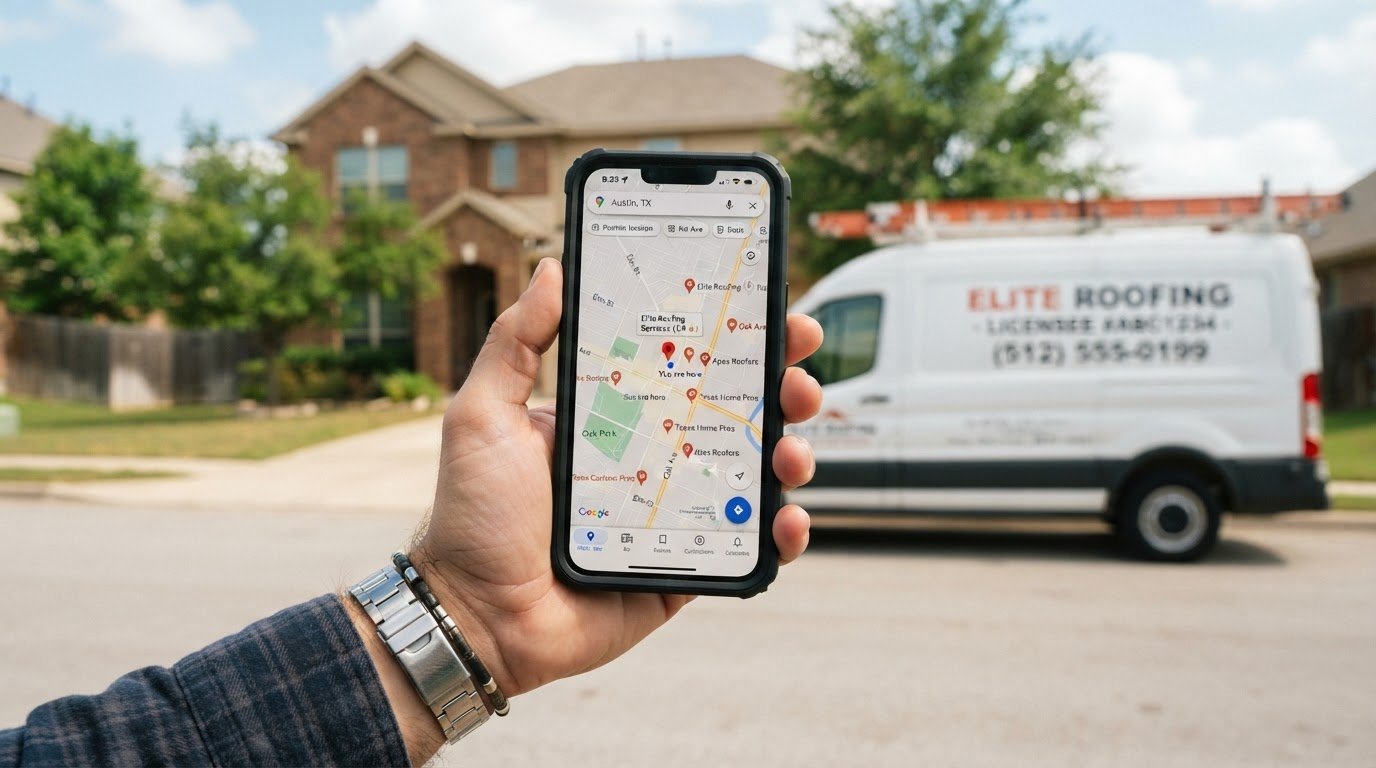
If you serve customers in a specific area, local SEO is often the fastest win. A complete Google Business Profile, consistent contact details across directories, regular reviews and location-relevant pages help you appear in the map results. Our local SEO checklist walks through every step.
SEO vs SEM vs PPC
These terms are often mixed up:
- SEO is earning unpaid rankings.
- PPC (pay-per-click) is paying for ad placements and paying per click.
- SEM (search engine marketing) is often used to mean paid search, and sometimes to mean SEO and paid search together.
Most businesses get the best results using both: paid search for immediate leads and SEO for long-term growth. Our Google Ads setup guide covers the paid side.
How to get started with SEO
- List the services you offer and the searches customers use to find them.
- Make sure each main service has its own page targeting those searches.
- Fix technical basics: speed, mobile layout, indexing and broken links.
- Improve titles, meta descriptions and headings on key pages.
- Publish helpful articles answering common customer questions.
- Build your Google Business Profile and collect reviews.
- Track rankings, traffic and enquiries every month. Here is how to know if your SEO is working.
How long does SEO take?
It depends on competition, your site’s current state and how much you invest. New sites in competitive industries often need many months to see strong results. Small technical fixes and local SEO improvements can show progress sooner. Anyone promising guaranteed first-page rankings in a few weeks should be avoided.
Common SEO mistakes
- Targeting very broad keywords instead of specific customer searches.
- Publishing thin or duplicate pages.
- Ignoring mobile speed.
- Building spammy links.
- Not linking related pages together.
- Giving up before results have time to build.
Want help with SEO?
Eadoz offers SEO for service businesses, from technical fixes and content to local SEO, and connects it with your ads and website. Book a free meeting for an SEO review, or chat with us on WhatsApp.