
-
- No Comments
- November 28, 2026

What Is Digital Marketing and How Does It Work? A Plain-English Guide for Business Owners
Digital marketing is any marketing that reaches people through the internet or digital devices. That includes Google search, social media, email, video, websites and online ads. If someone finds your business on their phone, sees your ad on Instagram, reads your blog or gets your email offer, that is digital marketing at work.
The definition is simple. What confuses most business owners is how the pieces fit together and which ones actually matter for their business. This guide explains digital marketing in plain English, without jargon, so you can make better decisions about where to spend your time and money.
Digital marketing meaning in one sentence
Digital marketing means using online channels to attract the right people, convince them you can solve their problem and turn them into paying customers, while measuring what works.
That last part, measurement, is the biggest difference from traditional marketing. With a billboard or a newspaper ad, it is hard to know exactly who saw it and what they did next. Online, you can see how many people clicked, which ad brought a phone call and which page made someone fill in a form.
How digital marketing works, step by step
Almost every successful digital marketing system follows the same path. The tools change, but the steps stay the same.
1. Get attention
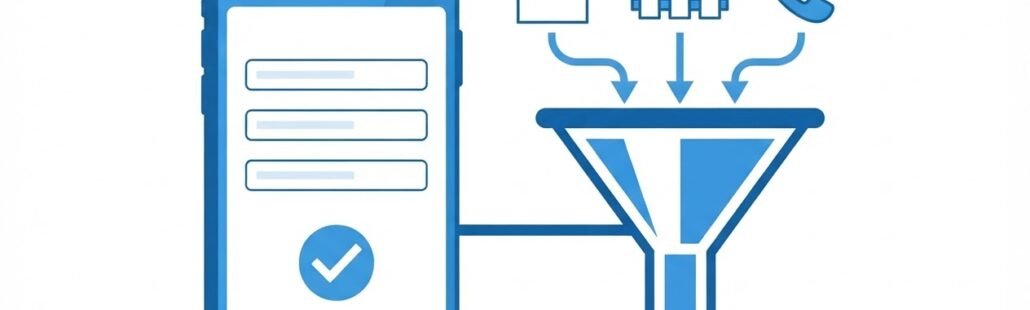
People cannot buy from you if they do not know you exist. Attention comes from search results, social media posts, short videos, ads and recommendations. This is the top of what marketers call the digital marketing funnel.
2. Build interest and trust
Once someone notices you, they need a reason to care. Helpful content, real reviews, before-and-after examples and videos of you explaining your work all build trust. Most buyers check several businesses before choosing one, so this step is where you win or lose.
3. Make it easy to take action
Your website, landing pages, WhatsApp button and contact forms turn interest into enquiries. A clear offer and a simple next step matter more than fancy design.
4. Follow up and convert
Many people do not buy the first time. Email, retargeting ads and quick follow-up calls bring them back. Speed matters: a lead contacted quickly is far more likely to become a customer than one contacted the next day.
5. Measure and improve
Tracking shows which channels bring customers and which waste money. You then put more effort into what works. This loop is what makes digital marketing improve over time instead of being a one-off expense.
The main types of digital marketing
There are many channels, but most businesses only need a few of them done well. We cover each one in detail in our guide to the types of digital marketing. Here is the short version:
- Search engine optimisation (SEO): getting your website to show up in Google for searches your customers make.
- Pay-per-click advertising (PPC): paying to appear at the top of search results or on other sites, and paying when someone clicks.
- Social media marketing: building an audience and trust on platforms like Instagram, Facebook, TikTok, YouTube and LinkedIn.
- Paid social ads: Meta (Facebook and Instagram), TikTok and LinkedIn ads that target people by interests, behaviour and location.
- Content marketing: blog posts, videos and guides that answer customer questions and bring in traffic.
- Video marketing: short-form videos, ads and explainer videos, now one of the strongest formats online.
- Email marketing: staying in touch with leads and customers through newsletters and automated emails.
- Local marketing: Google Business Profile, local SEO and reviews for businesses that serve a specific area.
Digital marketing vs traditional marketing
Traditional marketing, such as print, radio, TV and signage, still works for some businesses. Digital marketing has three big advantages for most small and medium businesses:
- Targeting: you can show ads only to people in your area, with specific interests or who already visited your website.
- Flexible budgets: you can start small, test and scale up what works, instead of paying for a big campaign upfront.
- Measurement: you can see what each channel delivers and stop spending on what does not.
What does a digital marketer actually do?
A digital marketer plans and runs these channels. Depending on the role, that can mean writing ads, editing videos, managing Google or Meta campaigns, improving a website for SEO, sending emails or analysing reports. In a small business, one person often does several of these. Agencies split them across specialists such as SEO experts, media buyers, video editors and designers.
Example: how a local business uses digital marketing
A pest control company wants more residential jobs. It improves its Google Business Profile and collects reviews so it shows up in local searches. It runs Google search ads for urgent searches like “termite inspection near me”. It posts short videos on Facebook and Instagram showing common pest signs, and promotes the best ones as ads to homeowners in its service area. Every ad leads to a simple landing page with a call button and a short form. Leads get a text and a call within minutes. Each month the owner checks which channel brought the most booked jobs and moves budget there.
How to get started with digital marketing
- Define who your ideal customer is and what problem you solve for them.
- Make sure your website is fast, mobile-friendly and has a clear call to action.
- Set up your Google Business Profile if you serve a local area.
- Pick one or two channels that match how your customers search and buy.
- Set up tracking so you know where enquiries come from.
- Write a simple plan using a digital marketing strategy framework and review it monthly.
Frequently asked questions
Is digital marketing only for big companies?
No. Small businesses often benefit the most, because they can target a specific area and start with a small budget.
How long does digital marketing take to work?
Paid ads can bring enquiries within days. SEO and content usually take months to build, but keep working long after you publish.
Do I need an agency?
Not always. If you lack time or skills, an agency or freelancer can speed things up. Our guide on how to choose a digital marketing agency explains what to look for.
Need help with your digital marketing?
Eadoz plans and runs digital marketing for service businesses: video ads, Meta ads, websites and SEO, all working together. Book a free meeting or chat with us on WhatsApp and we will tell you which channels make sense for your business.